
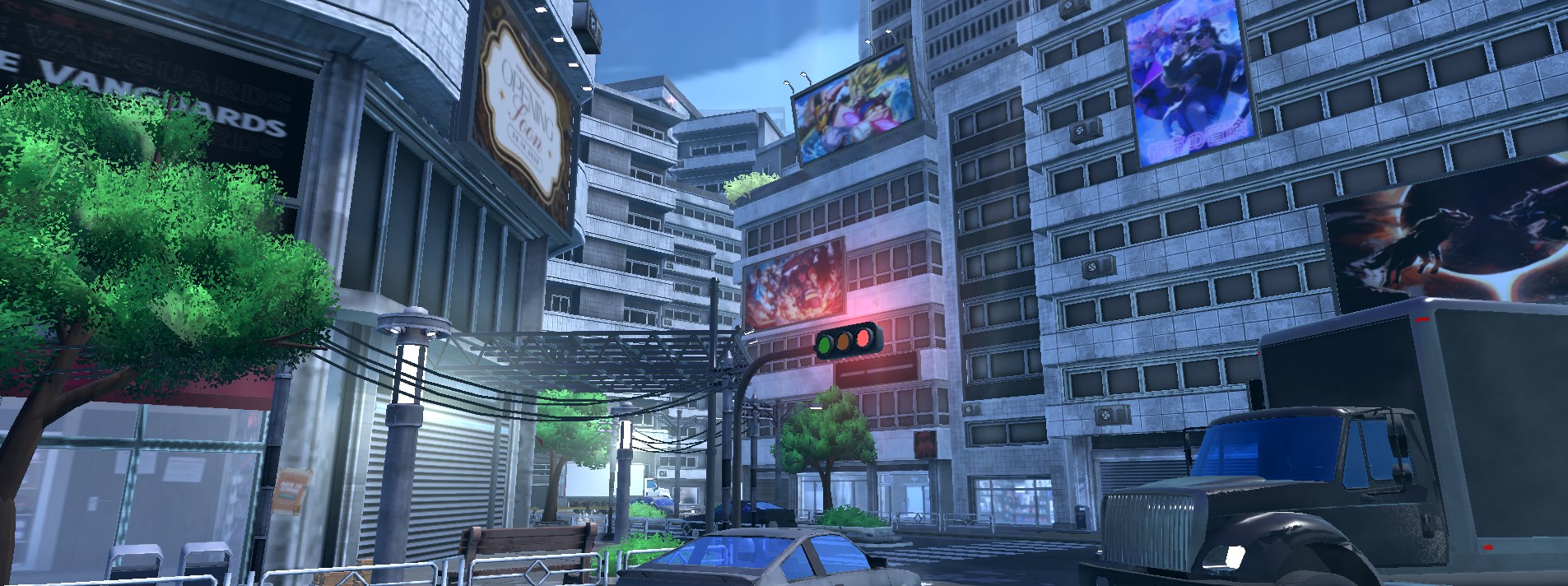
Fighting: Deepwoken
Deepwoken is the gold standard for Roblox combat systems. Study its parry timing — there is a precise window where the player must read the opponent animation and react. The stamina system forces strategic resource management instead of button mashing. The progression system layers stat investment, weapon mastery, and talent trees in a way that creates build diversity without imbalance. From a development perspective, pay attention to how Deepwoken handles animation blending between combat states, the server-authoritative hit validation, and the way damage numbers and screen effects provide satisfying combat feedback without overwhelming the player. The game also demonstrates how permadeath can work as a feature rather than a punishment when paired with meaningful progression persistence.
Horror: Doors
Doors demonstrates that Roblox can deliver genuine tension through procedural generation, audio design, and pacing. The procedurally generated rooms keep every run feeling fresh while maintaining a consistent difficulty curve. Study how Doors uses audio cues to build anticipation — the distant footsteps, the ambient creaking, the sudden silence before an entity appears. Each monster type teaches the player a new mechanic through death rather than tutorials. The lighting system deserves particular attention: Doors uses darkness as a core mechanic, and the flashlight and lighter provide just enough visibility to create constant unease. For developers, the key takeaway is that horror in Roblox is about pacing and audio design, not graphical fidelity.
RPG: Arcane Odyssey
Arcane Odyssey is one of the most ambitious Roblox RPGs and showcases large-scale open-world design on the platform. The magic system with combinable elements creates emergent gameplay possibilities. Study its quest structure — the way it layers main storyline, side quests, and exploration-driven discovery. The naval combat system demonstrates that Roblox can handle vehicle-based physics interactions at scale. The clan territory system shows how PvP and social systems can drive long-term engagement. From a technical perspective, Arcane Odyssey is instructive for its world streaming approach, handling an enormous map without crippling load times through aggressive asset streaming and level-of-detail management.
Tycoon: Bee Swarm Simulator
Bee Swarm Simulator is a masterclass in idle/tycoon game loop design. The core loop of collecting pollen, making honey, and upgrading bees is simple to understand but has extraordinary depth through bee types, mutations, and area unlocks. Study its retention mechanics: daily login bonuses, limited-time events, collaborative boss fights, and long-term progression goals that keep players returning for months. The monetization is notable — the game generates substantial revenue through game passes and a premium currency without making free players feel excluded. For tycoon developers, the lesson is that depth of progression matters more than complexity of mechanics.
Obby: Tower of Hell
Tower of Hell took the simple obby formula and made it competitive. The procedurally generated towers using modular sections ensure no two rounds are identical. The timer pressure and multiplayer racing transform a traditionally solo genre into a social experience. Study the modular design system — each section is a self-contained obby segment that can be placed in any order. This architecture is a powerful pattern for any game that needs procedural content. The physics interactions are precise and predictable, which is critical for a game where a single missed jump means restarting. Tower of Hell also demonstrates that simple visual design executed cleanly outperforms complex graphics done poorly.
Simulator: Pet Simulator 99
Pet Simulator 99 is the highest-grossing Roblox game and a case study in live service game design. New content drops every few weeks keep the player base engaged. The trading economy between players creates social engagement beyond the core gameplay. Study its UI design — the menus, notifications, and reward animations are polished to a degree that most Roblox games do not achieve. The power scaling is intentionally exponential, creating a sense of constant progression. For developers, the key insight is that Pet Simulator 99 invests heavily in presentation polish and community events, not just gameplay mechanics.
Shooter: Arsenal
Arsenal demonstrates how to build a responsive first-person shooter on Roblox despite the platform limitations. Study its weapon switching system — the gun game format forces players to use every weapon, and each one feels distinct through different fire rates, recoil patterns, and damage models. The hit registration uses client-side prediction with server validation, a networking pattern that keeps gunplay feeling responsive at higher latencies. Map design in Arsenal follows classic FPS principles: three-lane layouts, varied engagement distances, and intentional power positions. The visual style is clean and readable, prioritizing gameplay clarity over graphical complexity.
How to Apply These Lessons
Playing these games as a developer means paying attention to things most players ignore. Open the developer console (F9) to see how they manage performance. Count the number of UI elements on screen at any moment to understand information hierarchy. Time the gap between player actions and visual or audio feedback. Note how tutorials are delivered — most of these games teach through play, not text boxes. The patterns you observe across these successful games — responsive feedback, clear progression, social mechanics, and polished presentation — are universal principles that apply regardless of your game genre.